.png)
Oil Change Timing: What You Need to Know
- Scott Ehler
- Dec 29, 2025
- 4 min read

Updated: Jan 26
Keeping your vehicle in top shape means paying close attention to its maintenance needs. One of the most important aspects of car care is knowing when to change the oil. Proper oil change timing ensures your engine runs smoothly, lasts longer, and avoids costly repairs. But how often should you change your oil? This guide will walk you through everything you need to know about oil changes, including practical tips and expert advice.
Understanding Oil Change Timing: Why It Matters
Oil lubricates your engine’s moving parts, reducing friction and preventing overheating. Over time, oil breaks down and becomes contaminated with dirt, metal particles, and other debris. This reduces its effectiveness and can cause engine wear.
Why is timing important? Changing your oil too late can lead to engine damage, while changing it too early might be unnecessary and costly. The right oil change timing balances engine protection with cost efficiency.
Factors Affecting Oil Change Timing
Type of oil used: Synthetic oils last longer than conventional oils.
Driving conditions: Frequent short trips, stop-and-go traffic, or extreme temperatures can shorten oil life.
Vehicle age and model: Older engines or high-performance vehicles may require more frequent changes.
Manufacturer recommendations: Always check your owner’s manual for specific guidance.
By understanding these factors, you can tailor your oil change schedule to your vehicle’s needs.
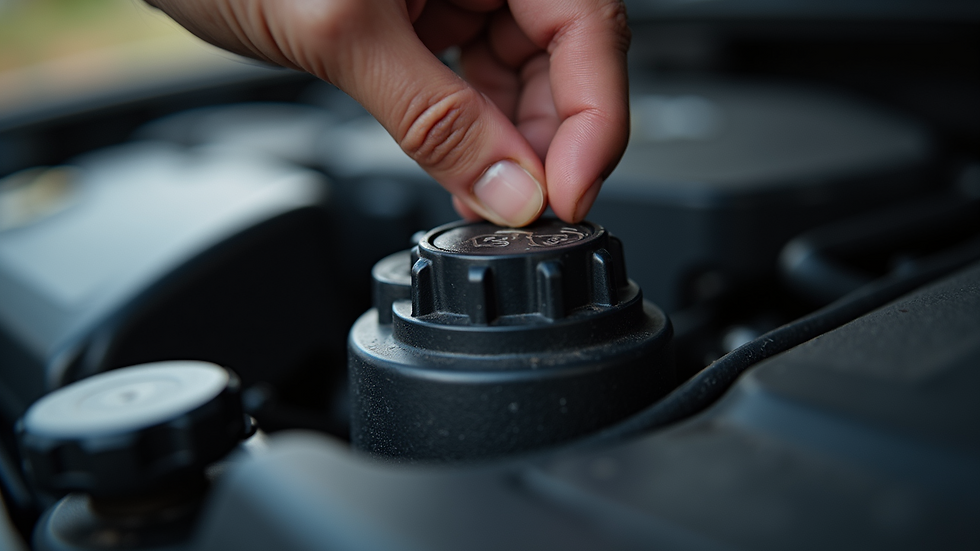
Close-up view of car engine oil cap being unscrewed
How to Determine the Best Oil Change Timing for Your Vehicle
Determining the best oil change timing involves a combination of manufacturer guidelines and real-world driving habits. Here are some practical steps to help you decide:
Check your owner’s manual: This is the most reliable source for oil change intervals.
Consider your driving style: If you often drive in heavy traffic or harsh conditions, shorten the interval.
Monitor oil quality: Some vehicles have oil life monitoring systems that alert you when it’s time to change.
Use high-quality oil: Synthetic oils can extend the time between changes, sometimes up to 10,000 miles or more.
Regularly inspect oil level and color: Dark, gritty oil indicates it’s time for a change.
By combining these methods, you can optimize your oil change timing for better engine health and cost savings.
Is it OK to change oil every 10,000 miles?
Many modern vehicles and synthetic oils are designed to last up to 10,000 miles between oil changes. But is this always a good idea?
Pros of Changing Oil Every 10,000 Miles
Cost-effective: Fewer oil changes mean less money spent on oil and labor.
Convenient: Less frequent maintenance saves time.
Environmentally friendly: Reduces waste oil disposal.
Cons and Considerations
Driving conditions matter: If you drive mostly in stop-and-go traffic, extreme heat, or dusty environments, 10,000 miles might be too long.
Older vehicles: Engines with higher mileage or leaks may need more frequent changes.
Oil quality: Only use high-quality synthetic oils rated for extended intervals.
Expert Recommendation
If your vehicle manufacturer approves 10,000-mile oil changes and you use synthetic oil, it’s generally safe. However, if you experience severe driving conditions or notice engine performance issues, consider shortening the interval to 5,000-7,500 miles.

Eye-level view of mechanic checking oil level with dipstick
Signs You Need an Oil Change Sooner
Sometimes, waiting for the recommended mileage isn’t enough. Here are clear signs your vehicle needs an oil change sooner:
Engine noise: Increased knocking or ticking sounds.
Oil color: Dark, dirty oil or sludge buildup.
Oil smell inside the car: Indicates leaks or burning oil.
Oil change light or warning: Don’t ignore dashboard alerts.
Reduced fuel efficiency: Dirty oil can cause the engine to work harder.
If you notice any of these signs, schedule an oil change immediately to avoid engine damage.
Tips for Maintaining Your Vehicle Between Oil Changes
Proper maintenance between oil changes can extend the life of your oil and engine. Here are some actionable tips:
Check oil level monthly: Use the dipstick to ensure oil is at the correct level.
Keep your engine clean: Dirt and debris can contaminate oil.
Use the right oil: Follow manufacturer recommendations for oil type and viscosity.
Drive gently: Avoid rapid acceleration and excessive idling.
Schedule regular inspections: Have a mechanic check your vehicle periodically.
Following these tips helps maintain optimal oil performance and engine health.
Understanding Oil Change Frequency
Understanding the right oil change timing is essential for vehicle longevity and performance. While many modern cars can go up to 10,000 miles between changes with synthetic oil, individual driving habits and conditions may require adjustments. Always refer to your owner’s manual and pay attention to your vehicle’s signals.
For more detailed guidance on oil change frequency, consider consulting a trusted mechanic or automotive expert. Staying proactive with your oil changes will save you money and keep your engine running smoothly for years to come.
Conclusion: The Importance of Regular Oil Changes
Regular oil changes are crucial for maintaining your vehicle's health. They help prevent engine wear and ensure your car runs efficiently. Remember, the right oil change timing depends on various factors, including your driving habits and the type of oil used.
By following the tips outlined in this guide, you can keep your engine in optimal condition. Don't wait until it's too late—stay on top of your oil change schedule. Your vehicle will thank you for it!
---wix---


Comments